The design of
biomimetic materials for biomaterials and tissue engineering applications that are capable of eliciting specific cellular responses
and directing new tissue formation mediated by biomolecular recognition, which
can be manipulated by altering design parameters of the material. Biomolecular
recognition of materials by cells has been achieved by surface and bulk
modification of biomaterials via chemical or physical methods with bioactive
molecules such as a native long chain of extracellular matrix (ECM) proteins as
well as short peptide sequences derived from intact ECM proteins that can incur
specific interactions with cell receptors. The biomimetic materials potentially
mimic many roles of ECM in tissues. For example, biomimetic scaffolds can
provide biological cues for cell–matrix interactions to promote tissue growth,
and the incorporation of peptide sequences into materials can also make the
material degradable by specific protease enzymes. This discusses the surface
and bulk modification of biomaterials with cell recognition molecules to design
biomimetic materials for tissue engineering. The criteria to design biomimetic
materials such as the concentration and spatial distribution of modified
bioactive molecules are addressed. Recent advances for the development of
biomimetic materials in bone, nerve, and cardiovascular tissue engineering are
also summarized.
Thursday, 17 May 2018

Wednesday, 16 May 2018
Gene Therapy :
Gene
therapy is an experimental technique that uses genes to treat or prevent
disease. In the future, this technique may allow doctors to treat a disorder by
inserting a gene into a patient’s cells instead of using drugs or surgery.
Researchers are testing several approaches to gene therapy, including:
- · Replacing a mutated gene that causes disease with a healthy copy of the gene.
- · Inactivating, or “knocking out,” a mutated gene that is functioning improperly.
- · Introducing a new gene into the body to help fight a disease.
Although
gene therapy is a promising treatment option for a number of diseases
(including inherited disorders, some types of cancer, and certain viral
infections), the technique remains risky and is still under study to make sure
that it will be safe and effective. Gene therapy is currently being tested only
for diseases that have no other cures.

Tuesday, 15 May 2018
Biomaterials play an important
role in Therapeutic Delivery like Biocompatible polymeric gene carriers which
have been introduced for treating diverse genetic and acquired diseases. The
researchers are working on the biomaterial approaches to significantly improve
outcomes of gene #therapies for neurodegenerative disorders. The
Nanobiomaterial architecture is the basis for fabrication of novel integrated
systems involving cells, growth factors, proteins, cytokines, drug molecules,
and other biomolecules with the rationale of creating a universal, all-purpose
Nano-biomedical device for personalized therapies.

Sunday, 13 May 2018
Biophotonics:
Biophotonics is an emerging multidisciplinary research area,
embracing all light-based technologies applied to the life sciences and
medicine. Biophotonics is a scientific discipline of remarkable societal
importance. For hundreds of years, researchers have utilized light-based
systems to explore the biological basics of life.
Diagnostic Biophotonics:
Diagnostic biophotonics is used to detect diseases in their
initial stages before actual medical symptoms occur in patients. By using
optics, diagnostic biophotonics provides several advantages of sensing and
imaging at the molecular level and also collects multidimensional data for
evaluation. Technologies based on light are generally contact-free with less
effect on integrity of living subjects and, consequently, can easily be applied
in situ.
Therapeutic Biophotonics:
Applications of light include treatment of diseases by
altering biological processes. Light is used for modifying the cellular
functions photochemically and to remove tissues by photomechanical or
photothermal process.

Friday, 11 May 2018
Advanced Materials :
Advanced Materials has been
bringing you the latest progress in materials science every week for over 25
years. Advanced Materials are at the heart of many technological developments
that touch our lives. Electronic materials for communication and information
technology, biomaterials for better health care, sensors for intelligent
environment, energy materials for renewable energy and environment, light
alloys for better transportation.

Thursday, 10 May 2018
Bone Plates :
Biomaterials used in manufacturing bone plates, currently
titanium and stainless steel alloys are the most common in production of bone
plates. Other biomaterials such as Mg alloys, Ta alloys, SMAs, carbon fiber
composites and bioceramics are potentially suitable for bone plates because of
their advantages in biocompatibility, bioactivity and biodegradability.
However, today either they are not used in bone plates or have limited
applications in only some flexible small-size implants. This problem is mainly
related to their poor mechanical properties. Additionally, production processes
play an effective role.
Wednesday, 9 May 2018
Heart Valve :
Cardiovascular
disease physically damages the heart, resulting in loss of cardiac function.
Medications can help alleviate symptoms, but it is more beneficial to treat the
root cause by repairing injured tissues, which gives patients better outcomes.
Besides heart transplants, cardiac surgeons use a variety of methods for
repairing different areas of the heart such as the ventricular septal wall and
valves. A multitude of Biomaterials are used in the repair and replacement of
impaired heart tissues. These Biomaterials fall into two main categories:
synthetic and natural. Synthetic materials used in cardiovascular applications
include polymers and metals. Natural materials are derived from biological
sources such as human donor or harvested animal tissues. A new class of
composite materials has emerged to take advantage of the benefits of the strengths
and minimize the weaknesses of both synthetic and natural materials.

Tuesday, 8 May 2018
Contact Lenses:
Contact
lenses can also be used medically for the treatment of certain diseases. In
such cases they are called therapeutic or bandage lenses . Contact lenses range
from hard to soft. Hard lenses contain mainly poly(methy1 methacrylate) (PMMA)
and are impermeable to oxygen. Hard and semirigid lenses permeable to oxygen
are made from copolymers of siloxanes and methacrylates. Flexible, oxygen
permeable lenses are made of silicones. Soft contact lenses are prepared from
polymers that absorb large quantities of water to become hydrogels. The aqueous
phase of the hydrogel is oxygen permeable. Hard and soft hydrophobic lenses
require a relatively thick tear film between their posterior surface and the
cornea of the eye.

Monday, 7 May 2018
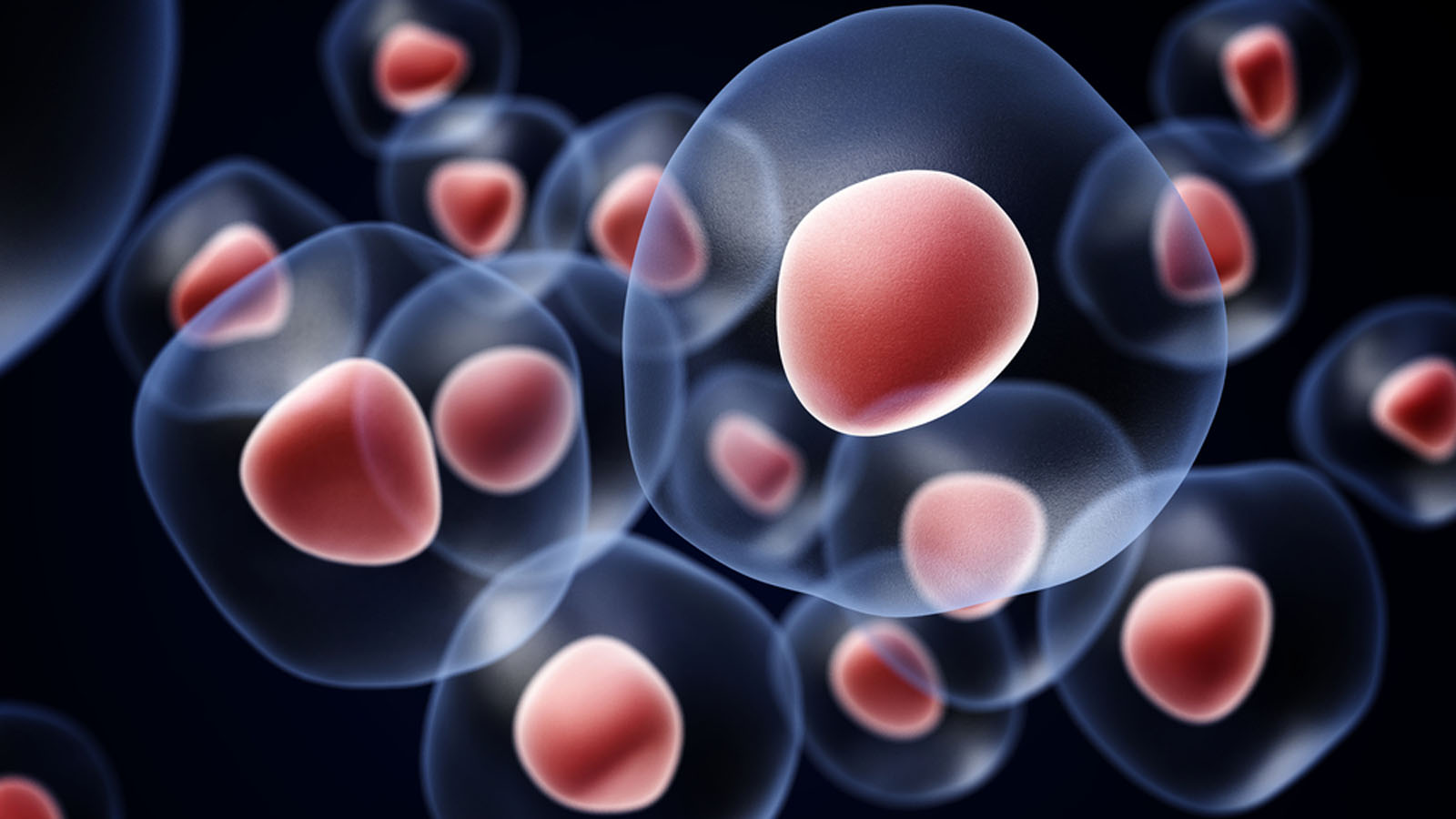
Stem cells are the foundation for every
organ and tissue in your body. There are many different types of stem cells
that come from different places in the body or are formed at different times in
our lives. These include embryonic stem cells that exist only at the earliest
stages of development and various types of tissue-specific (or adult) stem
cells that appear during fetal development and remain in our bodies throughout
life.
All stem cells can self-renew (make copies
of themselves) and differentiate (develop into more specialized cells). Beyond
these two critical abilities, though, stem cells vary widely in what they can
and cannot do and in the circumstances under which they can and cannot do
certain things.
Doctors and scientists are excited about
stem cells because they could help in many different areas of health and medical
research. Studying stem cells may help explain how serious conditions such as
birth defects and cancer come about. Stem cells may one day be used to make
cells and tissues for therapy of many diseases. Examples include Parkinson’s
disease, Alzheimer’s disease, spinal cord injury, heart disease, diabetes, and
arthritis.
Friday, 4 May 2018
Biomaterials & its Applications:
Biomaterials
is the discipline dealing with natural and synthetic materials as well as the
interactions between materials and biological tissues. It covers a wide range
of research areas including basic materials science, biocompatibility, implant
device development, surgical applications, and failure analysis and has
application throughout most physiologic systems (hip and knee implants, contact
lenses, coronary artery stents, catheters, etc.)
But
the characteristics of biomaterials have evolved over the field’s 50-plus years
of existence. In the early days, biomaterials were expected to be inert, or at
least biocompatible, to disturb the body as little as possible. The field has
since shifted toward developing materials that interact with biological systems
in a purposeful way.
Thursday, 3 May 2018
Inflammation in Bone Tissue Regeneration:
Delayed healing or nonhealing of bone is an important
clinical concern. Although bone, one of the two tissues with scar-free healing
capacity, heals in most cases, healing is delayed in more than 10% of clinical
cases. Treatment of such delayed healing condition is often painful, risky,
time consuming, and expensive. Tissue healing is a multistage regenerative
process involving complex and well-orchestrated steps, which are initiated in
response to injury. At best, these steps lead to scar-free tissue formation. At
the onset of healing, during the inflammatory phase, stationary and attracted
macrophages and other immune cells at the fracture site release cytokines in
response to injury. This initial reaction to injury is followed by the
recruitment, proliferation, and differentiation of mesenchymal stromal cells,
synthesis of extracellular matrix proteins, angiogenesis, and finally tissue
remodeling. Failure to heal is often associated with poor revascularization.
Since blood vessels mediate the transport of circulating cells, oxygen,
nutrients, and waste products, they appear essential for successful healing.
The strategy of endogenous regeneration in a tissue such as bone is interesting
to analyze since it may represent a successful tissue formation.
Wednesday, 2 May 2018
BIO IMAGING :
Bioimaging (biological imaging) refers to any imaging technique used in life sciences and spans the full spectrum from molecule to man. An important sub-field is medical imaging, which refers to techniques and methods needed to create images of the human body (or parts and function thereof) for clinical purposes or medical science. Another field closely related to bioimaging is structural biology, a branch of molecular biology, biochemistry, and biophysics concerned with the spatial and temporal arrangement of biological macromolecules, (proteins and nucleic acids) and sub-cellular compartments.

Bioimaging (biological imaging) refers to any imaging technique used in life sciences and spans the full spectrum from molecule to man. An important sub-field is medical imaging, which refers to techniques and methods needed to create images of the human body (or parts and function thereof) for clinical purposes or medical science. Another field closely related to bioimaging is structural biology, a branch of molecular biology, biochemistry, and biophysics concerned with the spatial and temporal arrangement of biological macromolecules, (proteins and nucleic acids) and sub-cellular compartments.

Tuesday, 1 May 2018
Current
advancements in science and technology has opened up a new era for tissue
engineering which uses body’s own potential for regeneration of missing body
parts. In dentistry it has led to the regeneration of missing teeth and
supporting structures. Tissue engineering is a new frontier in treatment of
various oral diseases proving it’s worth with each passing day.
TE uses nature as
an inspiration source for the generation of extracellular matrix analogues
(scaffolds), either from natural or synthetic origin as well as bioreactors and
bio-devices to mimic natural physiological conditions of particular tissues.
These scaffolds embed cells in a three dimensional milieu that display signals
critical for the determination of cellular fate, in terms of proliferation,
differentiation and migration, among others. The aim of this review is to
analyze the state of the art of TE and some of its application fields.
Subscribe to:
Posts (Atom)